
(213) 527-2235
sales@squbetech.com

(213) 527-2235
sales@squbetech.com
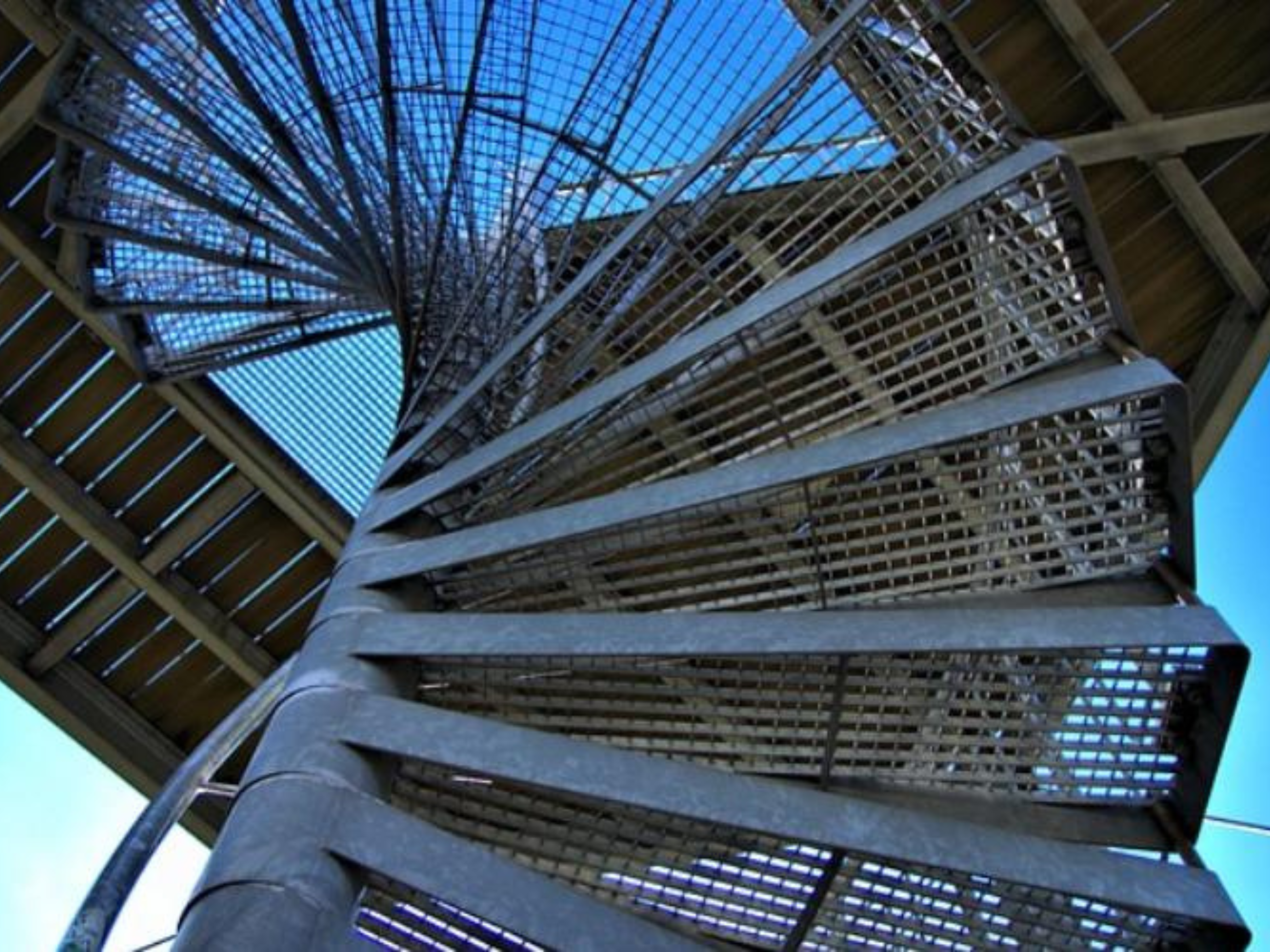
Miscellaneous Steel Detailing refers to the preparation of detailed drawings and models for non-primary structural steel components that support the functionality, safety, and usability of a structure. Unlike main structural elements such as beams and columns, miscellaneous steel includes items like stairs, ladders, handrails, guardrails, platforms, catwalks, grating supports, frames, and access systems.
This type of detailing focuses on creating precise shop drawings, fabrication details, and installation layouts for these components. Each drawing includes accurate dimensions, connection details, material specifications, welding information, and finishing requirements, ensuring that the components can be manufactured and installed without errors.
Miscellaneous steel detailing plays a critical role in ensuring safety and compliance. Designs are developed according to industry standards such as AISC, IBC, and NISD, ensuring that all elements meet required load capacities, spacing rules, and safety guidelines.
In modern projects, detailing is often carried out using advanced 3D modeling and BIM tools, allowing better coordination with architectural, structural, and MEP systems. This helps in identifying clashes early, reducing rework, and improving overall project efficiency.
Overall, miscellaneous steel detailing ensures that all secondary steel components are well-designed, easy to fabricate, safe to use, and seamlessly integrated into the overall structure.
The following are some of the common components covered in Miscellaneous Steel Detailing: