(213) 527-2235
sales@squbetech.com
(213) 527-2235
sales@squbetech.com
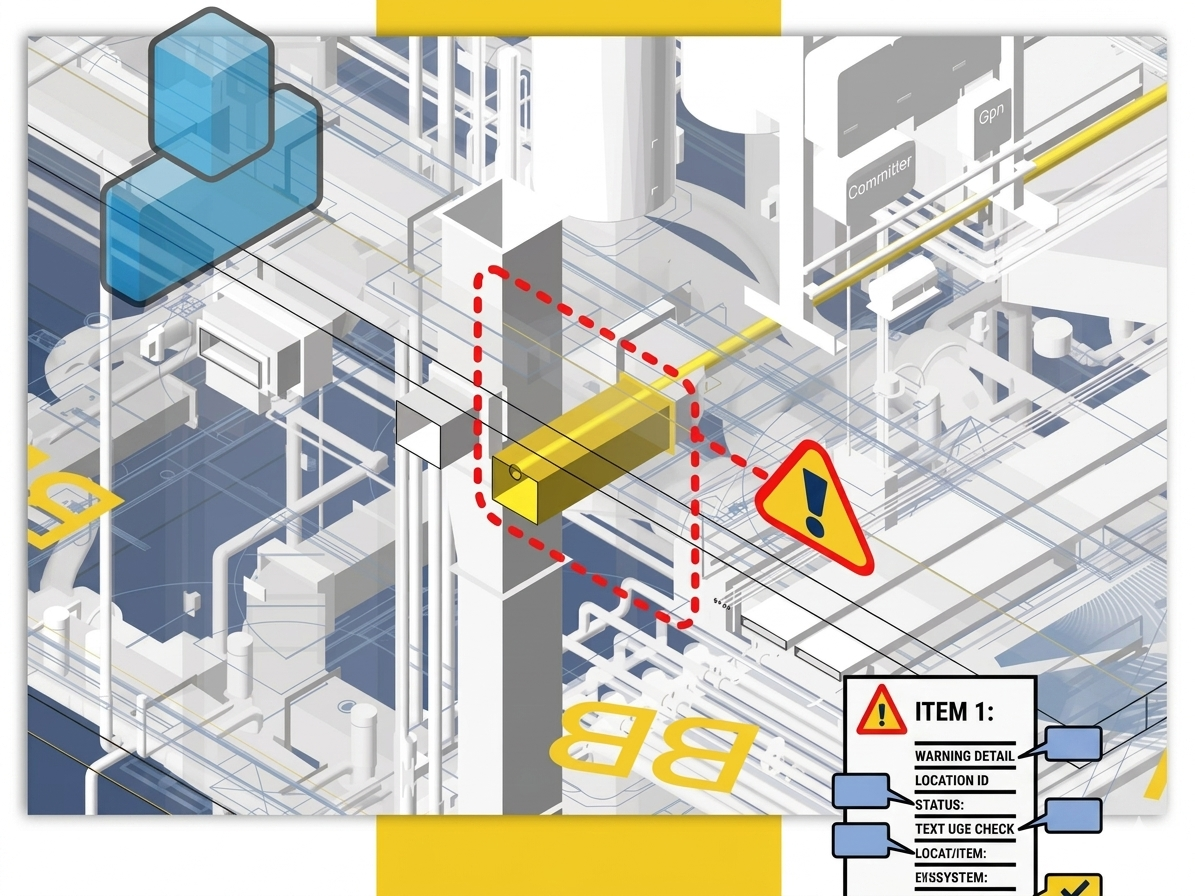
BIM Coordination (Building Information Modeling Coordination) is the process of integrating and managing 3D models from different disciplines—such as architectural, structural, and MEP (mechanical, electrical, and plumbing)—to ensure that all building components work together without conflicts.
In BIM coordination, detailed 3D models are combined into a single coordinated model, allowing teams to detect and resolve clashes (interferences) before construction begins. This proactive approach helps prevent costly rework, reduces delays, and improves overall project efficiency.
The process includes clash detection, model review, and coordination meetings where different teams collaborate to resolve design issues. By using advanced BIM software, teams can visualize complex systems, verify clearances, and ensure proper alignment of all components within the building.
BIM coordination also improves communication among stakeholders by providing a clear and accurate digital representation of the project. This makes it easier for engineers, contractors, and clients to understand the design and make informed decisions.
Additionally, BIM coordination supports better planning and scheduling by linking models with project timelines (4D BIM) and cost estimates (5D BIM). It also helps in maintaining accurate documentation throughout the project lifecycle, including as-built models.
Overall, BIM coordination ensures a well-organized, clash-free, and efficient construction process, leading to higher quality outcomes and reduced project risks.
The following are some of the major components involved in BIM Coordination:
The following are the key benefits of BIM Coordination: